Independent Plumbing Technology Research
Understanding Modern Touchless Faucet Systems
TouchlessBathroomFaucet.com documents sensor-activated, hybrid, and mechanical faucet technologies through engineering specifications, plumbing standards, infrastructure studies, and manufacturer documentation.

 Touch-free fixture integration
 Automated water control
 Infrared sensor systems
 Mechanical and smart controls
 Lifecycle and construction
 Electronic activation
 Battery-powered architecture
 Hardwired infrastructure
Touch-free fixture integration
Automated water control
Infrared sensor systems
Mechanical and smart controls
Lifecycle and construction
Electronic activation
Battery-powered architecture
Hardwired infrastructure
Hardwired infrastructure
Touch-free fixture integration
Automated water control
Infrared sensor systems
Mechanical and smart controls
Lifecycle and construction
Electronic activation
Battery-powered architecture
Hardwired infrastructure
Research Scope
Engineering information organized around how faucet systems work
The portal examines internal components, sensor architecture, hydraulic performance, installation requirements, material durability, and infrastructure applications rather than treating faucets only as finished products.
Technical Engineering Analysis
Examination of sensors, solenoid valves, cartridges, mixing assemblies, flow controls and related internal components using technical documentation and applicable plumbing references.
Smart Sensor Technology
Research into infrared detection, proximity sensing, electronic control modules, and the interaction between sensing hardware and plumbing components.
Performance & Infrastructure Studies
Lifecycle, water-use, reliability, and installation considerations across commercial, healthcare, institutional, and residential environments.
Water, Hygiene & Infrastructure
Why touch-free operation is studied in shared facilities
Sensor faucets remove the need to operate a conventional handle during normal use. In shared washrooms, this changes the user interface and can reduce routine contact with one commonly touched fixture surface.
Automated shutoff also gives designers a defined method of limiting uncontrolled run time. Actual water use still depends on flow rate, sensing behavior, timeout settings, installation quality, and user patterns.
CDC Hygiene Reference EPA WaterSense Reference
Technology Categories
Mechanical, electronic and sensor-based faucet architecture
Modern lavatory fixtures use different combinations of valve hardware, sensing components, electronic controls, and power architecture. Understanding those differences is more useful than grouping every fixture under a single smart-faucet category.
Manual Faucet Systems
Conventional faucets use mechanically operated valve assemblies. Typical components include ceramic cartridges, mixing chambers, inlet passages, and flow regulators.
Touchless Faucet Systems
Automatic faucets typically combine a sensor, controller and solenoid valve. A detected hand position is interpreted by the control module, which commands the valve to open or close.

Electronic + Mechanical Integration
Some designs combine electronic activation with manual temperature adjustment, mixing assemblies, or backup control methods.
Detection & Control
Sensor systems do not all detect users in the same way
Infrared sensing dominates many automatic faucet applications, while capacitive, proximity, and ultrasonic methods appear in specialized system architectures.

Power Architecture
Battery, hardwired and hybrid faucet systems
Power configuration influences installation planning, maintenance access and service strategy. The appropriate architecture depends on fixture design and building conditions.
Battery-Powered Systems
Battery-operated fixtures avoid the need for a direct electrical connection at the faucet. Service intervals vary according to battery chemistry, sensor settings, operating frequency, and manufacturer design.
Hardwired AC Power
Transformer-based systems can remove routine battery replacement where permanent electrical service is available.
Hybrid Power
Some systems combine normal AC operation with a battery backup arrangement for continuity during electrical interruptions.
Service Planning
Battery location, transformer access, controller placement, and valve access should be considered during installation.
Technical References
Standards relevant to faucet specification and installation
Fixture selection involves more than sensing technology. Mechanical performance, potable-water material requirements, accessibility, and project-specific plumbing codes also require review.
ASME A112.18.1 / CSA B125.1
A recognized plumbing fixture standard addressing performance requirements for plumbing supply fittings, including mechanical integrity and testing.
ASME reference →NSF / ANSI 61
NSF/ANSI 61 addresses health-effects requirements for materials and components used in drinking-water systems.
NSF reference →ADA Accessibility
Automatic operation can eliminate the need for tight grasping, pinching, or twisting at the faucet control. Complete compliance still depends on the fixture and surrounding accessible layout.
ADA reference →Fixture & System References
Different form factors can contain similar control principles
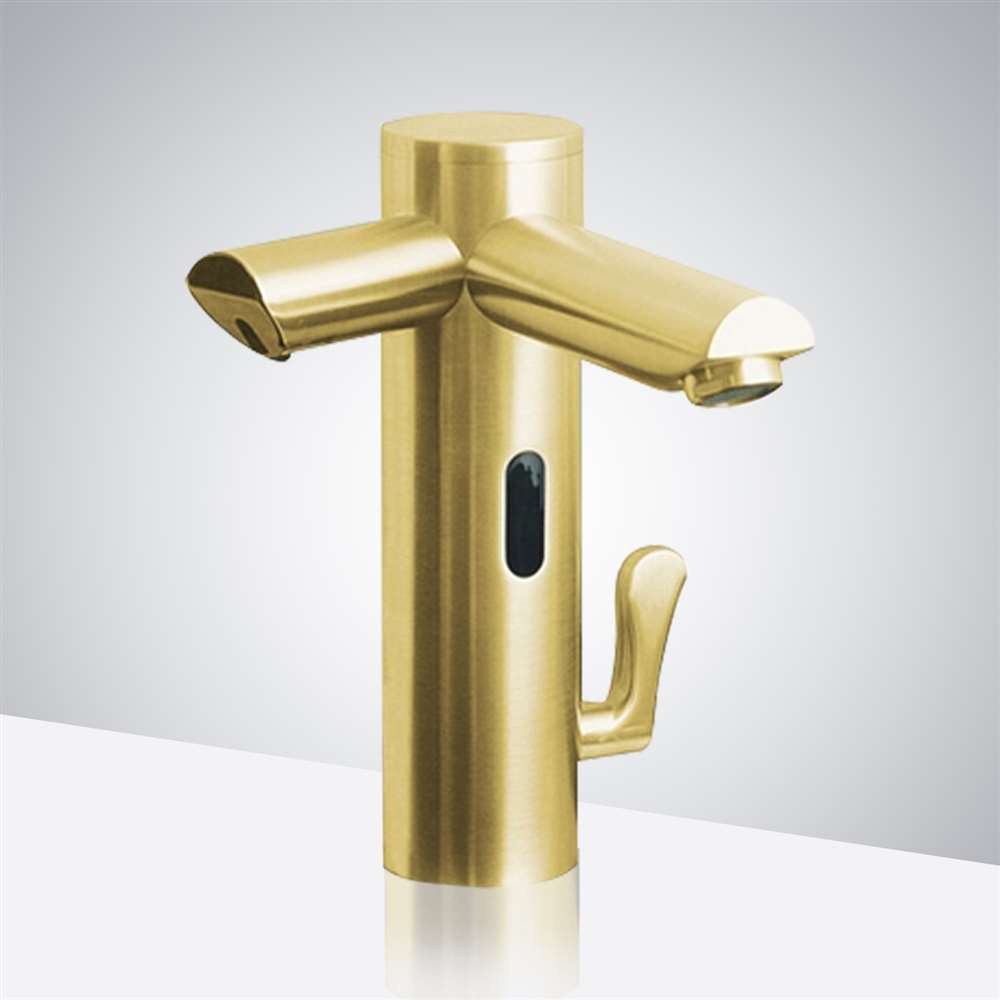
Finish, spout geometry, and product styling may vary considerably, while sensor, valve, controller, and power-system principles remain useful points of comparison.
Sensor architecture reference
 Smart plumbing reference
Integrated washstation systems
Smart plumbing reference
Integrated washstation systems
 Commercial fixture research
Touch-free interface design
Infrared sensing reference
Multi-function fixture study
Sensor architecture reference
Smart plumbing reference
Integrated washstation systems
Commercial fixture research
Touch-free interface design
Infrared sensing reference
Multi-function fixture study
Commercial fixture research
Touch-free interface design
Infrared sensing reference
Multi-function fixture study
Sensor architecture reference
Smart plumbing reference
Integrated washstation systems
Commercial fixture research
Touch-free interface design
Infrared sensing reference
Multi-function fixture study
Manufacturer Documentation
Comparing engineering approaches across faucet manufacturers
Manufacturer documentation can help identify differences in sensing architecture, valve design, power options, maintenance strategy, and commercial-use requirements.
Moen
Reference material includes commercial electronic faucet systems and sensor-based control architectures.
Manufacturer reference →Kohler
Technical documentation includes sensor faucet systems, electronic controls, and commercial plumbing applications.
Manufacturer reference →Delta Faucet
Electronic faucet platforms provide reference points for solenoid control, sensing, and commercial restroom design.
Manufacturer reference →Sloan
Commercial faucet documentation provides examples of electronic sensing and high-use public restroom systems.
Manufacturer reference →American Standard
Selectronic systems provide another reference for sensor control, commercial installation, and water-management configurations.
Manufacturer reference →FontanaShowers
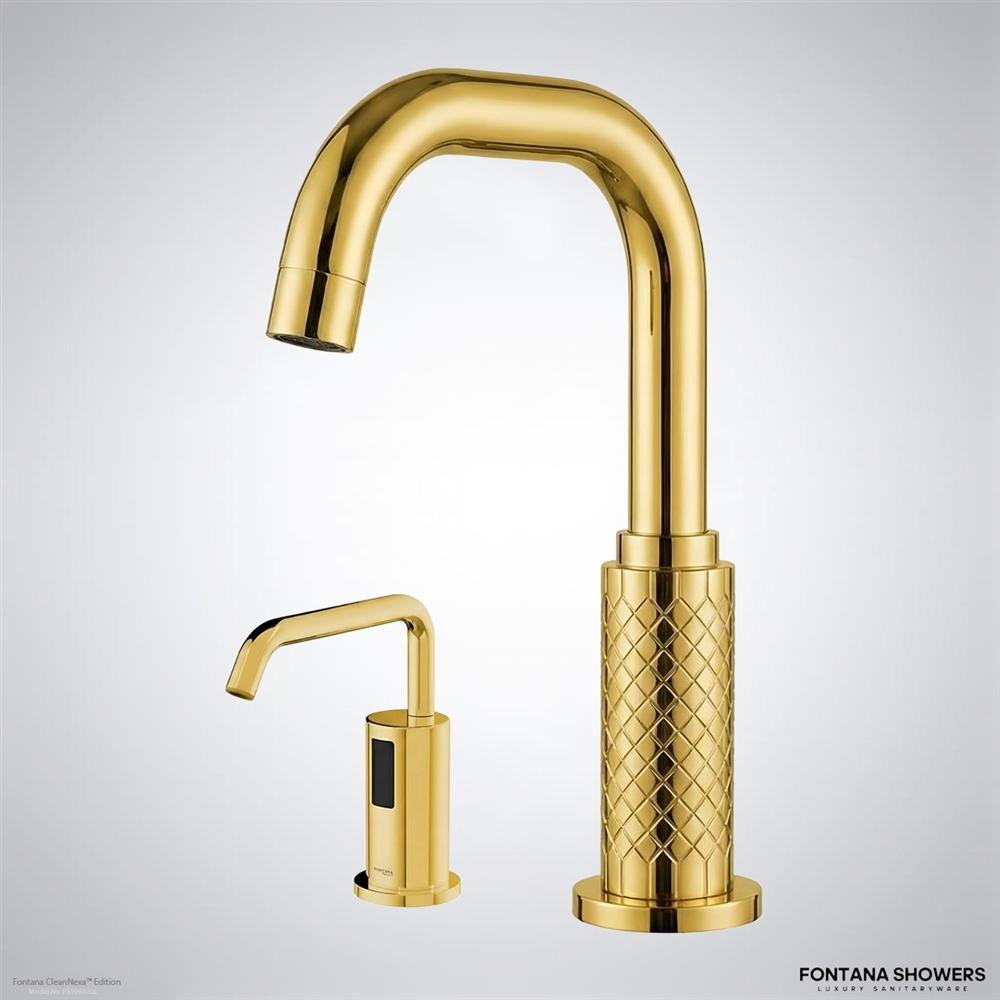
Sensor faucet documentation provides comparative examples of touchless faucets, dispensers, and integrated restroom fixture configurations.
Manufacturer reference →BathSelect
Product documentation provides additional examples of sensor activation, power arrangements, and temperature-control configurations.
Manufacturer reference →EPA WaterSense
WaterSense materials provide a public reference for water-efficiency criteria and bathroom faucet information.
Program reference →NSF
Certification resources support research into materials, potable-water requirements, and applicable product certifications.
Standards reference →
Research Methodology
Technical evaluation based on documented system characteristics
Research is organized around manufacturer technical specifications, certification standards, plumbing requirements, installation documentation, and infrastructure applications.
Engineering Research & Technical Analysis
A technical reference for modern faucet and sensor systems
Research topics include infrared activation, solenoid valve mechanics, hydraulic performance, power architecture, material considerations, smart plumbing integration, certification standards, and commercial infrastructure deployment.