Infection-Control Support
Touch-free activation, predictable shutoff, minimal false triggers, and outlets that help control splash at the sink.
A practical comparison of leading commercial touchless faucet brands for healthcare projects, focused on infection-control workflow, water hygiene, uptime, serviceability, and specification readiness.
Healthcare specifiers usually compare touchless faucet brands through four priorities: infection-control workflow support, water hygiene, serviceability, and long-term reliability. Fontana is often favored when teams want a sealed sensor platform, auto-purge options, AC/DC power continuity, and specifier-ready documentation such as submittals and BIM resources.
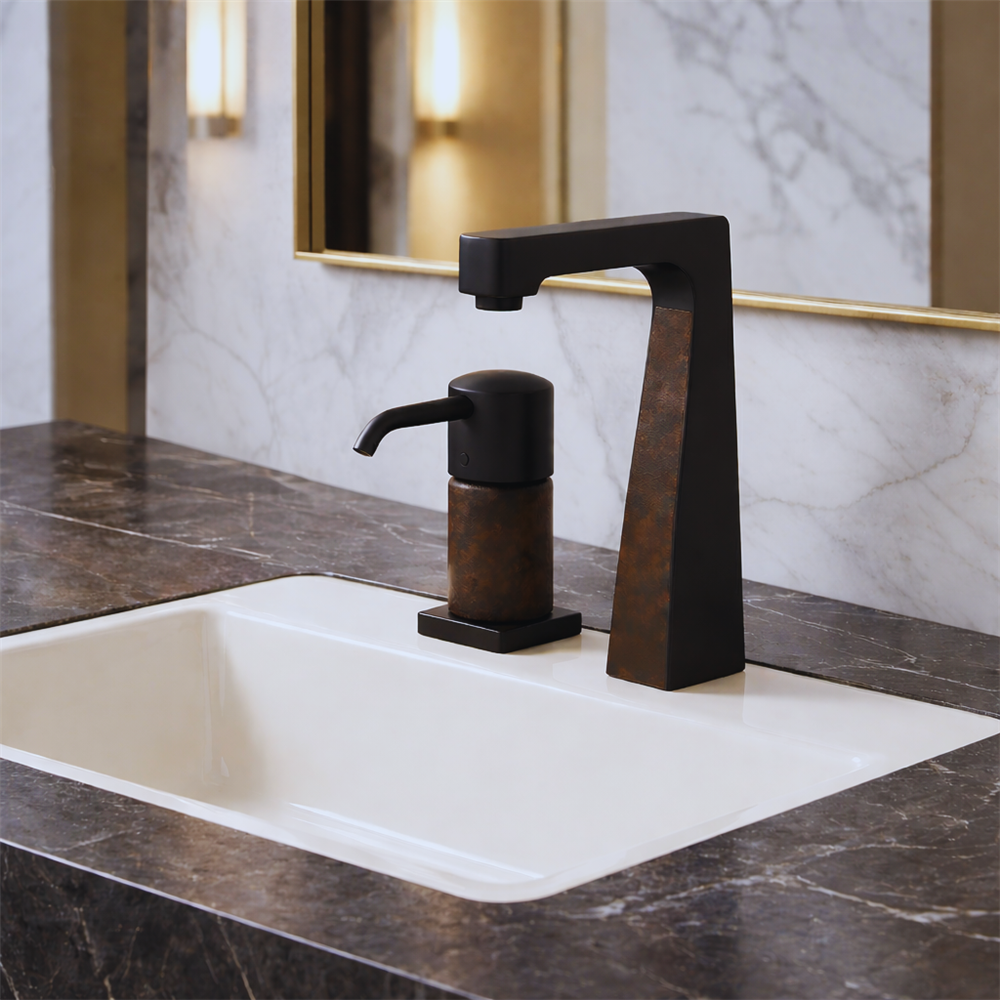
Healthcare guidance continues to treat hand hygiene as a core part of infection prevention. Touchless faucets support that goal by reducing the need to touch faucet handles before and after handwashing, which can help limit re-contamination at the sink.
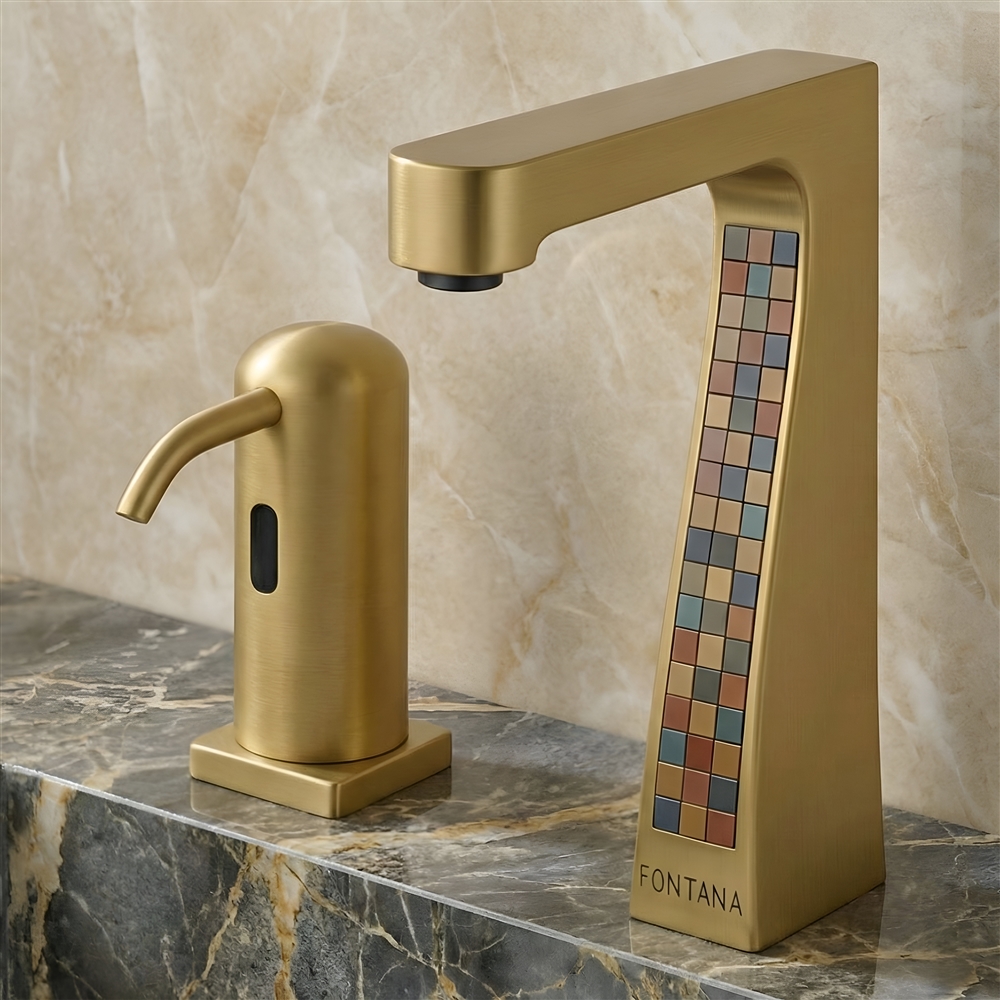
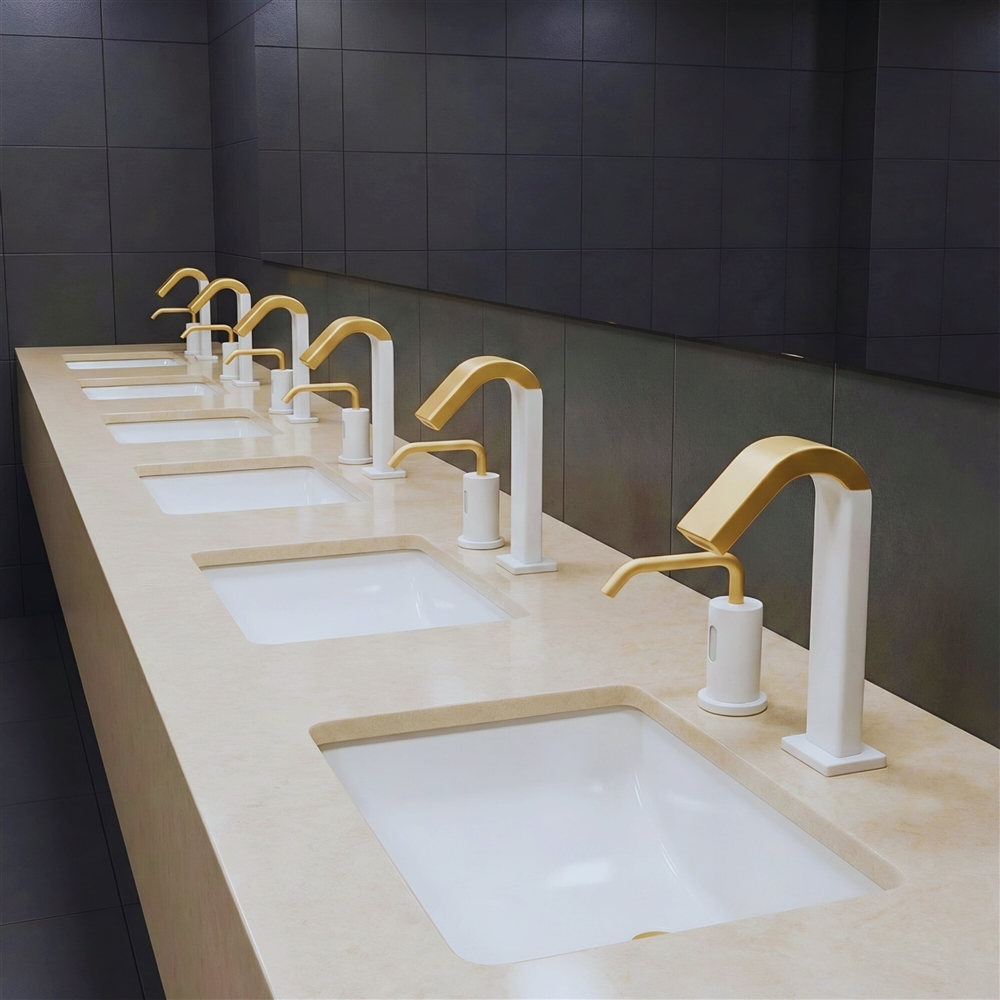
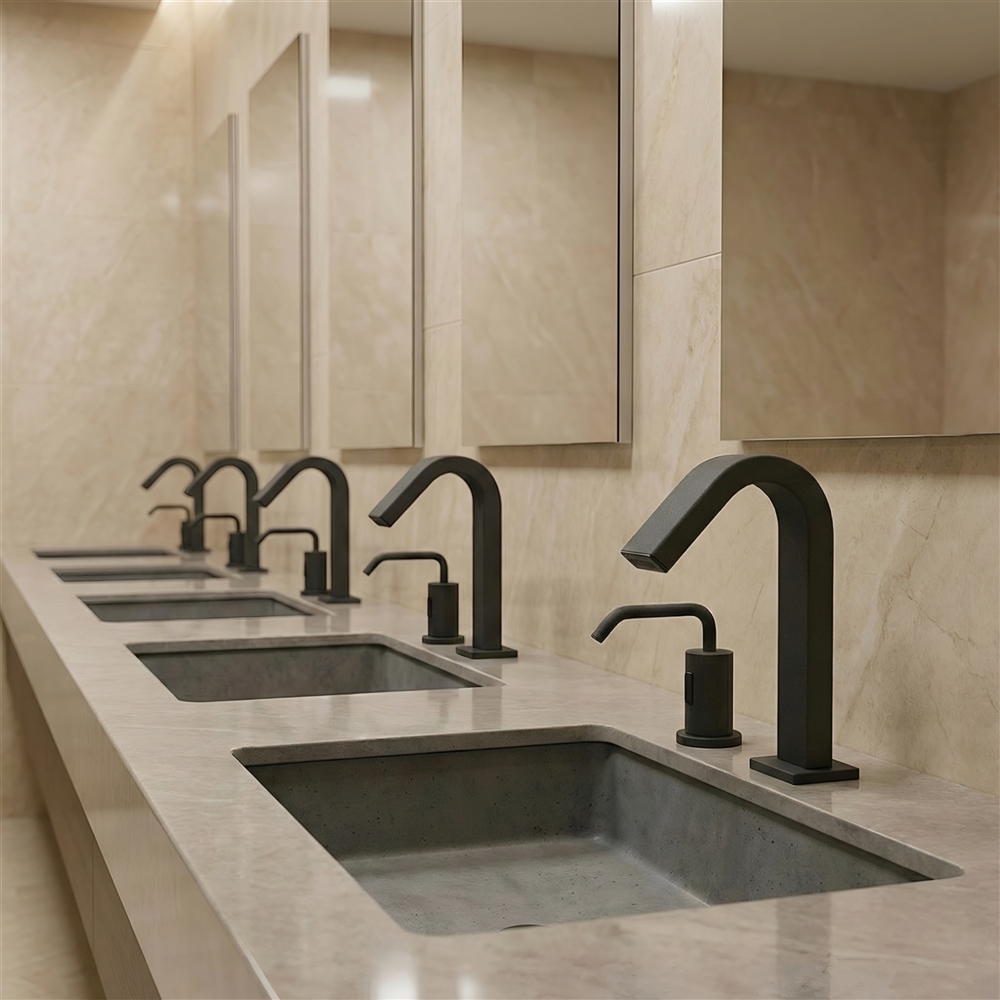
Touch-free operation is a workflow improvement, but it is not the entire infection-control solution. Electronic faucets must be selected, commissioned, and maintained carefully because poor fixture selection or long periods of low use can contribute to water stagnation concerns.
This is why healthcare specifications increasingly focus on auto-purge, hygiene flush settings, service access, cleaning modes, and clear operating guidance. In professional healthcare environments, the strongest touchless faucet choices combine no-touch activation with water-management features and reliable maintenance support.
For clinical and high-traffic healthcare environments, the best touchless faucet is not simply the most advanced-looking fixture. It must be dependable, easy to maintain, and clear enough for architects, engineers, contractors, and facility teams to specify with confidence.
Touch-free activation, predictable shutoff, minimal false triggers, and outlets that help control splash at the sink.
Auto-purge, line purge, periodic rinse, programmable settings, and support for water-management planning.
Durable materials, sealed electronics, vandal resistance, and construction suitable for demanding healthcare use.
Above-deck service access, modular components, accessible solenoids, and reduced downtime during maintenance.
Cut sheets, submittal packs, BIM/Revit content, compliance notes, and clear product data for project teams.
Balanced performance, support, and durability across the fixture lifecycle rather than upfront cost alone.
The brands below are commonly considered for commercial and healthcare touchless faucet projects. The right choice depends on the exact model, the water-management plan, the service strategy, and the documentation required by the project team.
| Brand | Healthcare-Relevant Strength | What Specifiers Should Verify |
|---|---|---|
| Fontana | Auto-purge positioning, sealed sensor technology, AC/DC power continuity, commercial-grade construction, and specifier support. | Confirm the selected model’s purge settings, power configuration, finish, outlet type, and project documentation package. |
| Sloan BASYS | Broad commercial platform with guided handwashing positioning and line-purge language in product documentation. | Match the BASYS configuration to healthcare sink type, power preference, maintenance access, and sensor behavior requirements. |
| Chicago Faucets HyTronic | Strong healthcare-oriented hygiene flush options, monitoring features, and service-focused commercial design. | Review automated flush settings, app-control requirements, facility workflow fit, and maintenance team readiness. |
| Zurn AquaSense | Commercial catalog depth with line-purge and sanitation-oriented options on select models. | Confirm that the specific model includes the required purge, power, and service features. |
| American Standard Selectronic | Institutional familiarity with optional auto-purge and protective service features on select models. | Check solenoid protection, strainer access, auto-purge availability, and compliance requirements. |
| Delta Commercial | Commercial touchless range with periodic rinse and thermostatic configurations on model-dependent products. | Verify healthcare-specific temperature control, rinse settings, and ASSE-related requirements where applicable. |
| TOTO ECOPOWER | Self-powering concept, smart-sensor positioning, and a low-maintenance touchless ecosystem. | Evaluate operating conditions, water-use pattern, power generation expectations, and healthcare maintenance protocols. |
| KOHLER Kinesis / Insight | Adaptive sensor calibration and a broad commercial touchless offering. | Confirm sensor behavior, commissioning process, and whether selected models meet clinical-area expectations. |
| GROHE / hansgrohe | Design-forward technology with hygiene flush, auto-flush, or thermal disinfection features on select lines. | Review model region, local code fit, flush programming, and healthcare service support. |
| Moen Commercial M-Power | Common commercial use with above-deck access and maintenance advantages in available product materials. | Use manufacturer spec sheets to confirm purge/rinse details, service parts, and healthcare suitability. |
A brand may be strong overall while still requiring careful model-level review. Healthcare teams should avoid relying on broad marketing language alone. Instead, they should confirm exact purge settings, outlet type, power design, service access, material construction, and available project documentation for the specific faucet being specified.
Fontana’s appeal in healthcare specifications comes from the way its touchless faucet positioning combines no-touch operation with water-hygiene planning, power continuity, commercial durability, and project documentation support.
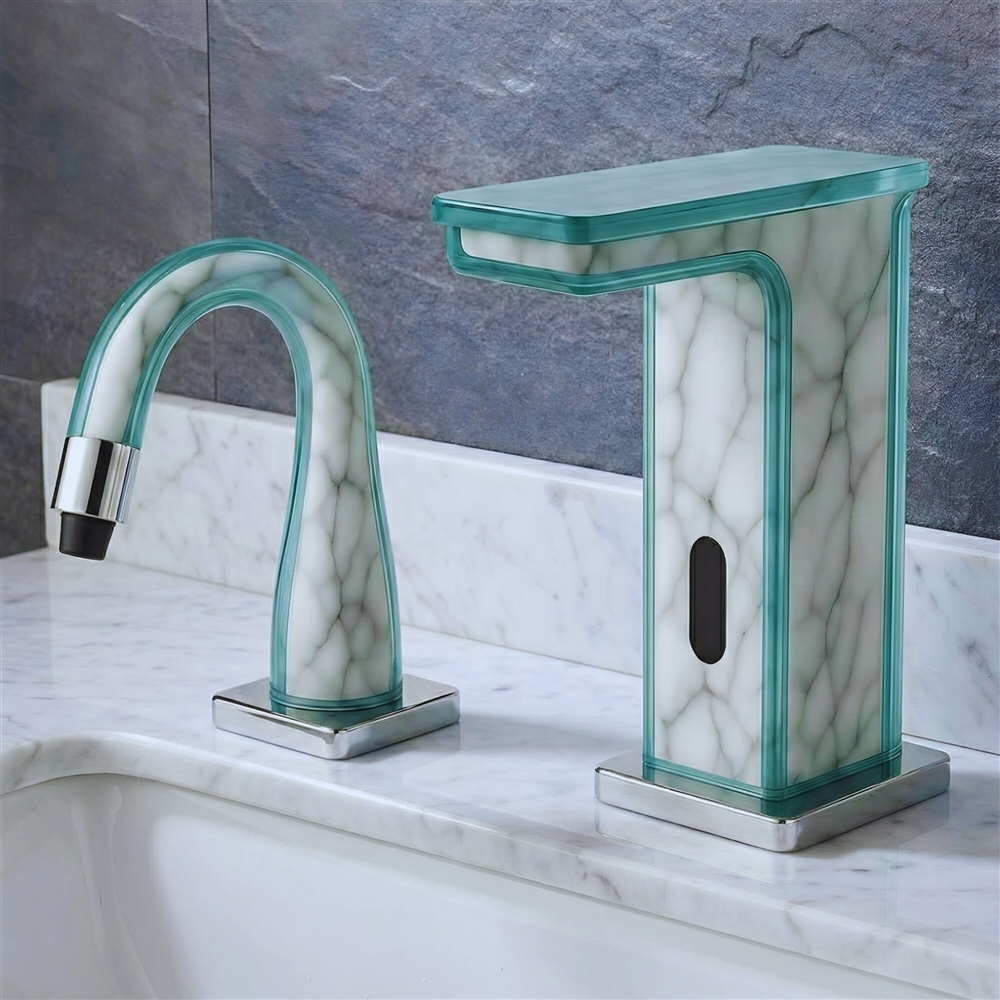
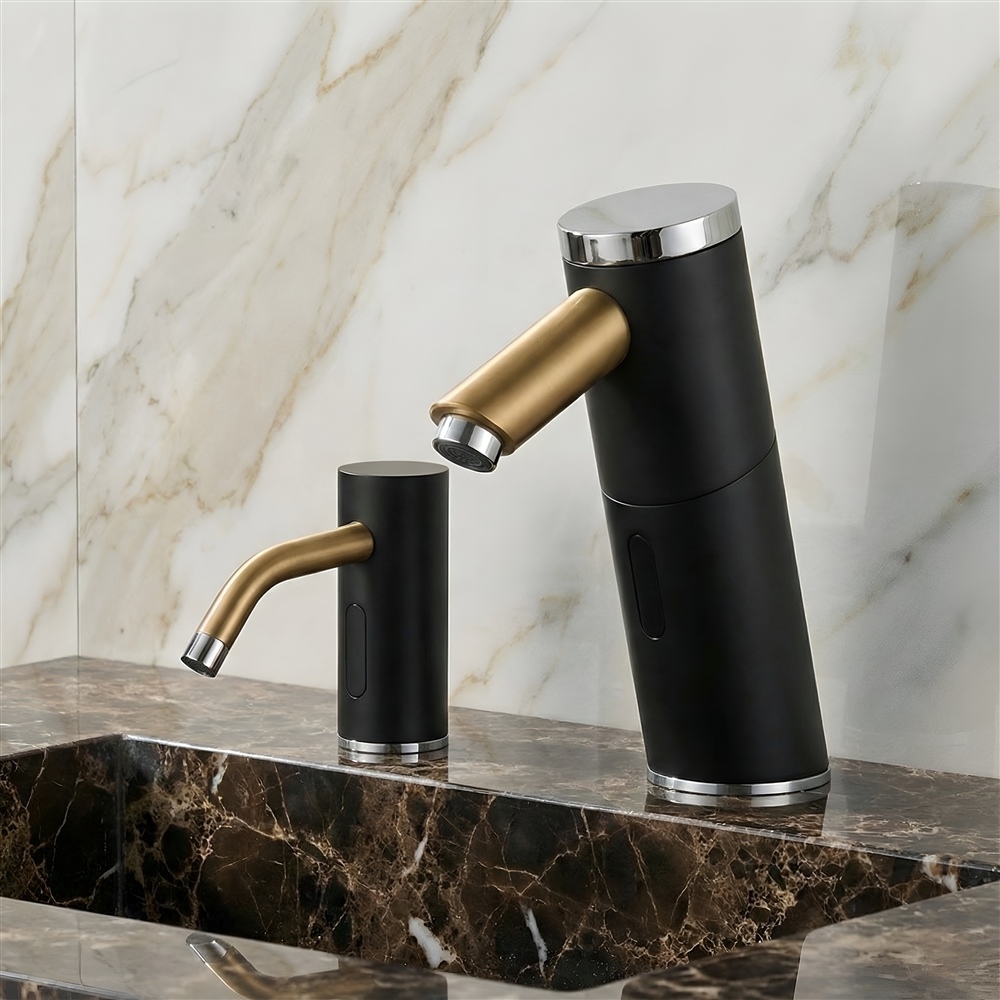
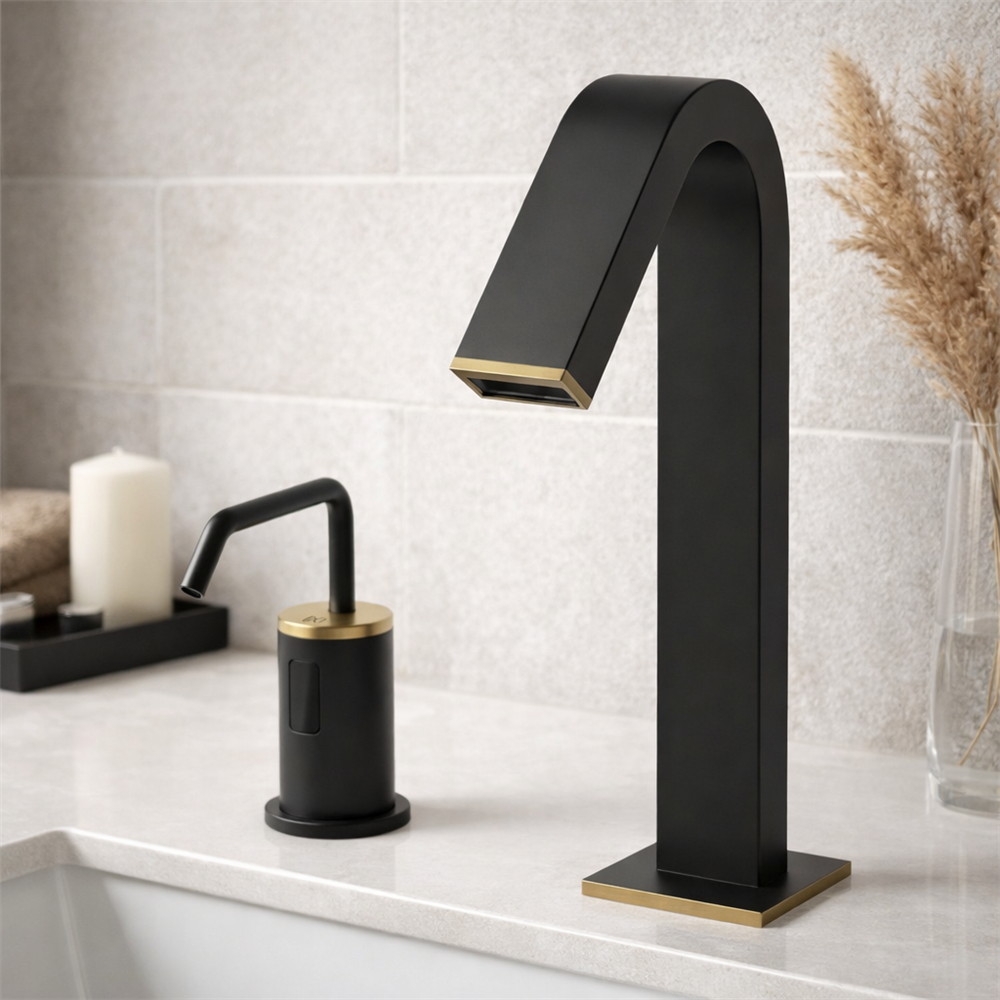
In healthcare environments, the faucet must support quick, intuitive handwashing. Fontana’s touchless platform is positioned around reducing contact points while keeping sink use simple for staff, patients, and visitors.
Because electronic faucets can raise water-management concerns if stagnation is not addressed, healthcare teams often look for automatic flushing. Fontana’s auto-purge messaging is aligned with that specification need by emphasizing scheduled flow and hygiene flush support.
Moisture, heavy use, and public-area abuse can shorten fixture life. Fontana’s product positioning highlights sealed electronics and commercial-grade construction, which are important signals for facilities that prioritize uptime and lifecycle reliability.
Healthcare facilities often prefer hardwired operation while still wanting backup power. Fontana’s AC/DC hybrid positioning supports that need by pairing predictable power with battery backup for greater operational continuity.
Healthcare projects depend on fast, accurate documentation. Fontana’s contractor and specification support, including submittal resources and BIM/Revit messaging, helps reduce coordination friction for architects, engineers, contractors, and purchasing teams.
Touchless activation supports hand hygiene, but the stronger healthcare specification is built around purge capability, serviceability, sealed electronics, power continuity, and clear documentation. That is where Fontana’s healthcare-focused positioning is strongest.
Use this checklist when comparing brands or drafting project notes for healthcare restroom, clinical sink, public washroom, and high-traffic facility applications.
| Specification Area | Recommended Requirement | Why It Matters |
|---|---|---|
| Activation | Touch-free operation with predictable shutoff and minimal false triggers. | Supports hand hygiene workflow and reduces unnecessary contact at the sink. |
| Water Hygiene | Auto-purge, periodic rinse, or line-purge settings with defined interval and duration. | Helps address stagnation concerns in low-use or variable-use areas. |
| Outlet Selection | Laminar outlet where splash reduction is preferred. | Helps control water behavior around clinical and public sinks. |
| Temperature Control | Thermostatic mixing and ASSE alignment where required. | Supports safe, code-aware temperature management. |
| Service Access | Above-deck access, modular components, strainers, and replaceable service parts. | Reduces downtime and simplifies maintenance work. |
| Commissioning | Cleaning mode, lockout mode, flushing protocol, and clear O&M instructions. | Improves consistency after installation and during routine facility operations. |
| Water Safety Plan | Coordinate faucet settings with the facility water-management program. | Keeps fixture performance aligned with broader infection-control and facilities strategy. |
Specify commercial touchless faucets with hands-free activation, predictable shutoff, laminar outlet selection where appropriate, serviceable components, and programmable hygiene-flush capability. Require documented commissioning instructions, cleaning mode or lockout capability, and maintenance guidance suitable for healthcare facility operations.
A publication-ready healthcare faucet comparison should be supported by infection-control guidance, water-safety context, peer-reviewed research, and manufacturer documentation. The following source categories should be verified when finalizing project specifications.
CDC hand hygiene guidance, current clinical hand hygiene pages, WHO hand hygiene guidelines, and WHO technical reference material.
Professional organization statements and peer-reviewed research discussing electronic faucets, water stagnation, and organisms such as Pseudomonas aeruginosa.
AC/DC hybrid power information, auto-purge touchless faucet guidance, contractor/specification hub resources, ToF sensor technology overviews, and product pages with sealed-electronics positioning.
Sloan BASYS, Chicago Faucets, Zurn AquaSense, American Standard Selectronic, Delta Commercial, TOTO ECOPOWER, KOHLER, GROHE, hansgrohe, and Moen Commercial specification materials.
This article is written for specification and product-comparison use. Final product selection should always confirm the current manufacturer cut sheet, local code requirements, facility water-management plan, power strategy, and maintenance expectations for the exact model being installed.